Love Across Time Zones: Young Cross-Cultural Couples Thrive in Long-Distance
For young cross-cultural couples in long-distance relationships—one in Austin studying Mexican-American literature, the other in Seoul interning at a K-pop agency; or…
For young cross-cultural couples in long-distance relationships—one in Austin studying Mexican-American literature, the other in Seoul interning at a K-pop agency; or one in Boston from an Ethiopian family, the other in Toronto with Irish roots—distance adds a layer of complexity to an already unique dynamic. You might wonder: How do we keep our cultural connection alive when we’re miles apart? Can we blend our traditions over video calls? Will the time difference kill the little inside jokes we built around our mixed heritages? The answer lies in leaning into your cross-cultural identity as a strength, not a hurdle—using your unique backgrounds to create virtual moments that feel personal, not forced. These tips are for you: the couples who send each other “cultural care packages” filled with grandma’s recipes and local snacks, who have a shared playlist of songs in three languages, and who turn time zone gaps into opportunities to learn more about each other’s worlds.
1. Send “Cultural Care Packages” (Tangible Love Across Miles)
In long-distance, physical touch is rare—but tangible reminders of your culture (and your love) bridge the gap. A care package filled with pieces of your world feels like a hug in a box, and for cross-cultural couples, it’s the perfect way to share your heritage without being there:
- “Taste of Home” Boxes: Pack snacks and treats that scream your culture (and your relationship). If you’re Mexican-American, include your abuela’s homemade salsa (in a sealed jar), churro mix, and a small bag of chili-lime peanuts—add a handwritten note: “Made this salsa just like how we used to make it together at your apartment. Eat it with chips, but save some for when I visit—we’re making tacos then!” If you’re Korean, send gimbap (kimbap rolls), a jar of your mom’s kimchi, and honey butter chips—write: “This kimchi tastes just like the kind we ate at that little spot in Seoul. I know you hate spicy, so I added the mild version… but saved a tiny jar of the hot stuff for when you’re feeling brave.” Ask them to send their own “taste box” in return—then schedule a video call to “eat together”: “Open your package at 7 PM my time (10 AM yours)—we’re having a virtual picnic, and you have to tell me what your grandma said when you asked her for the recipe.”
- “Memento Mix” Packages: Include small items that tie to your shared moments (and your cultures). If you’re Ethiopian-Irish, send a woven Ethiopian scarf (the same pattern as the one you wore on your first date), a tiny bottle of Irish whiskey (for when you’re both old enough to toast), and a photo of you two at the Ethiopian restaurant where you tried injera for the first time—write: “Wrap this scarf around your desk chair so it feels like I’m there. The whiskey’s for our next in-person date—we’re drinking it at that pub near your campus.” Add a “cultural quiz” too: “What’s the Amharic word for ‘I miss you’? P.S. The answer’s on the back of the photo.”
- “Tradition in a Box”: Include items that help them participate in your culture, even from afar. If you’re Indian, send a small diya (oil lamp), a packet of rangoli powder, and a handwritten guide to celebrating Diwali: “Light the diya on Diwali night—set it next to your window so we’re both looking at the light at the same time. I’ll send you a photo of my family’s rangoli, and you can draw one with the powder (don’t worry if it’s messy—mine always is!).” If they’re Japanese, ask them to send a paper crane kit: “Fold one crane every day until I visit—we’re hanging them all above your bed when I get there.”
Pro tip: Add a “date idea” to the package—like a link to a recipe video of how to cook the snack together over FaceTime, or a playlist of songs from your culture to listen to while they open the box. It turns the package into a shared experience, not just a one-sided gift.
Why it works: Cultural care packages are personal and intentional. They show you’re thinking about their place in your culture (and vice versa), and they give you something physical to connect over—something that feels more meaningful than a text.
2. Build “Virtual Rituals” That Blend Both Cultures (No “Either/Or”)
Rituals are what make long-distance feel like a “real” relationship, and for cross-cultural couples, they’re the perfect way to keep your heritages alive. These don’t have to be fancy—just small, repeated moments that feel like you:
- “Dual-Language Nightly Check-Ins”: Pick a time (even if it’s quick) to check in every day, using both your languages. If you’re Spanish-Vietnamese, text them “buenas noches” at 9 PM your time, and they reply “chào buổi tối” at 9 PM theirs—add a tiny detail tied to your culture: “Today I helped my mom make flan—she said to tell you she’s saving the recipe for when you visit.” They text back: “I had phở for lunch—thought of you when I added extra basil, just like how you taught me.” On busy days, send a voice memo in your native language: “Too tired to type, but wanted to say I miss you. This is how my dad says ‘sleep well’ when I’m stressed.”
- “Cultural Movie Nights (With a Twist)”: Pick a movie from each of your cultures (plus one English one) and rotate who chooses—watch it separately, then video call to discuss. If you pick a Mexican film like Coco, ask them to note the Day of the Dead traditions: “Pay attention to the ofrendas (altars)—my family makes one every year, and I want to show you how to make paper marigolds next time we’re together.” When they pick a Korean film like Parasite, they point out: “See how they share food at the table? That’s how my family eats—no ‘my plate vs. yours.’ I can’t wait to cook jjigae for you and have you try it family-style.” End the call with a “mini-challenge”: “Teach me one word from the movie’s language—then I’ll teach you one from mine.”
- “Holiday ‘Virtual Blends’”: You don’t have to be together to merge your holidays—get creative with video calls. For Christmas (your Irish side) and Seollal (their Korean side), set up your cameras to show your “mini-celebrations”: You have a small Christmas tree decorated with Korean lucky knots (they sent them), and they have a Seollal table set with Irish shortbread (you mailed it). On the call, you both say “Merry Christmas” and “새해 복 많이 받으세요 (Happy New Year)” to each other’s families (even if you only know the phrases phonetically). Bake cookies together over video: “I’m making my grandma’s Irish shortbread—you make your mom’s yakgwa (honey cookies). We’ll hold them up to the camera at the end and ‘clink’ them like glasses.”
Pro tip: Use apps like Teleparty (to watch movies together in sync) or Marco Polo (to send video messages that feel more personal than texts) to make virtual rituals feel less “screen-like” and more intimate.
Why it works: Virtual rituals keep your cultures present in your daily lives, even from afar. They turn “distance” into “an excuse to learn more about each other’s worlds” and remind you that your cross-cultural bond is still growing, not fading.
3. Turn “Time Zone Gaps” Into “Cultural Learning Moments”
Time zones are a hassle, but for cross-cultural couples, they’re a chance to dive deeper into each other’s lives—using the “free time” when one is awake and the other is asleep to learn about their culture (and vice versa):
- “Cultural ‘Homework’ (But Make It Fun)”: When you have downtime (while they’re sleeping), do a tiny “task” related to their culture—then share it when they wake up. If they’re Jamaican, watch a 10-minute YouTube video about reggae history and text: “Learned that Bob Marley wrote ‘One Love’ after a political conflict—reminds me of how you said your family uses music to bring everyone together. Teach me more when you’re awake?” If you’re Chinese, ask them to read a short article about Mid-Autumn Festival and reply: “The part about mooncakes made me think of you—you said your grandma makes the lotus seed ones. I found a recipe online—we’re making them together when I visit, even if mine turn out lumpy.”
- “‘Show Me Your Day’ Video Diaries”: Record short videos (2–3 minutes) of your day, focusing on the cultural little things. If you’re in Mexico City, film yourself walking to the market: “This is the spot where we bought those churros last year. The guy at the stand asked about you—said he’ll save the best ones for when we come back.” If you’re in Dublin, film your family’s Sunday dinner: “My mom’s making shepherd’s pie—she added extra peas because she remembered you love them. Everyone says ‘hi’—my little cousin drew you a picture of a leprechaun.” Send the video when they’re asleep, so they wake up to a piece of your world.
- “Language Exchange ‘Text Thread’”: Create a separate text thread just for language practice—no pressure, just casual learning. If you’re learning their language (e.g., Swahili), text: “Today’s word: ‘jambo’ (hello). I said it to the barista—she laughed but said I pronounced it right! Your turn—teach me a new word.” If they’re learning yours (e.g., Portuguese), they reply: “‘Obrigado/a’ (thank you). I said it to my professor—she’s Brazilian, and she said I sound like a local. P.S. ‘Amo você’ means ‘I love you’—save that one.”
Pro tip: Keep “learning” low-pressure—no quizzes, no deadlines. The goal is to show you care about their culture, not to become fluent. Even if you mess up a word or mispronounce a phrase, they’ll appreciate the effort.
Why it works: Time zone gaps stop feeling like a barrier when you use them to connect. Instead of resenting the hours apart, you’ll start to see them as a chance to grow closer to each other’s worlds—making the reunion even more exciting.
4. Navigate “Family Expectations” Together (Even From Miles Away)
Cross-cultural couples often face family questions (“When are you visiting?” “Do they understand our traditions?”) and long-distance amplifies that. The key is to stay united, even when you’re not in the same room:
- “Prep Talks” Before Family Calls: Before either of you talks to your family, text a quick “game plan.” If your Mexican family is asking about when you’ll visit Seoul, say: “My mom keeps asking if we’re booking tickets—can we tell her we’re planning for summer? She’ll calm down if she has a date. Also, she wants to send your family tamales for Christmas—okay if I give her your address?” They reply: “Perfect—my dad was just asking about the tamales! I’ll tell my family to send back kimchi jjigae mix. And don’t worry—my grandma said she’ll teach you to make kimchi when you visit.” Having a plan keeps you both on the same page, even from afar.
- “Include Each Other in Family Moments”: Invite them to virtual family gatherings (even for 10 minutes) to help your family feel connected to them. If your Indian family is having a Diwali party, set up your phone on a table so they can say “namaste” to everyone—introduce them to your grandma: “This is the one I told you about—they love your samosa recipe.” If their Irish family is having a St. Patrick’s Day dinner, ask them to hold up the phone so you can hear the music: “Tell your uncle I loved the song—play it again so I can dance along (badly) from here.” These small moments make your family feel like they “know” your partner, even if they’ve never met.
- “Set Boundaries (Gently) From Afar”: If a family member is pressuring you (e.g., your abuela says “You should move to Mexico so they can learn our culture” or their dad says “Why bother with long-distance—find someone from our community”), respond as a team. Text your partner first: “My abuela said that thing again about moving—can I tell her we’re happy with our plan, but we’ll definitely come visit for Christmas?” They reply: “Yes—tell her I’m even learning Spanish so I can talk to her better. And don’t worry—I told my dad the same thing. We’re in this together.” Then respond to your family with confidence: “We appreciate you caring, but we’re taking it slow. We’re both learning about each other’s cultures, and that’s what matters.”
Pro tip: Share “win moments” with each other—if your grandma says “I can’t wait to meet them,” text your partner: “Abuela just asked when you’re coming—she’s already planning the menu. You’re winning her over!” It keeps you both motivated, even when family pressure feels heavy.
Why it works: Staying united during family moments reminds you that you’re a team, not two people dealing with distance alone. It also shows your families that your relationship is serious—even if you’re miles apart.
5. Plan “Reunion Dates” That Celebrate Both Cultures (The Light at the End of the Tunnel)
The best part of long-distance is the reunion—and for cross-cultural couples, it’s the perfect chance to merge your worlds in person. Planning these dates together gives you something to look forward to, and it lets you build excitement around your shared heritage:
- “‘First Day’ Fusion Date”: Plan the first day you’re together to include bits of both cultures. If you’re visiting them in Seoul, start with breakfast at a Korean café (they order for you: “You’re trying injeolmi—sweet rice cakes, just like how you love churros”). Then go to a Mexican restaurant for dinner (you order: “We’re getting carne asada tacos—extra salsa, just like we make at home”). End the night with a walk: “This park has street performers—last time I was here, they were playing a song in Spanish. It made me think of you.”
- “Family ‘Meet & Greet’ (Low-Pressure)”: If you’re ready to meet each other’s families, plan a casual gathering that blends both cultures. If they’re visiting you in Austin, have a backyard BBQ: Your mom makes enchiladas, their dad brings kimchi coleslaw (a fusion they invented), and everyone plays a game of “cultural trivia” (you make the questions: “What’s the Korean word for ‘taco’? Hint: It’s just ‘taco’ but with a Korean accent”). Keep it small—just immediate family—so no one feels overwhelmed.
- “‘Heritage Tour’ Together”: Show them your favorite cultural spots in your city (and vice versa). If you’re from Boston’s Ethiopian community, take them to Little Ethiopia: “This is the shop where my mom buys injera—we’re getting some to take home, and I’m teaching you how to roll it like my grandma does.” If they’re from Toronto’s Irish community, take them to the Distillery District during St. Patrick’s Day: “This is where we had our first virtual date—remember? Now we’re here together, and you’re finally trying proper Irish stew.”
Pro tip: Leave room for spontaneity—some of the best reunion moments are unplanned (like stopping at a food cart selling your favorite snack or running into a family friend who speaks their language). The goal is to share your world with them, not to “perform” your culture.
Why it works: Reunion dates give you something to count down to, and they turn all the virtual moments into real-life memories. They remind you that the distance is temporary—but your cross-cultural bond is forever.
Final Tip: Your Cross-Cultural Identity Makes Long-Distance Easier (Really)
Young cross-cultural couples have a secret weapon in long-distance: your unique backgrounds give you endless ways to connect that other couples don’t. You don’t have to rely on generic “long-distance date ideas”—you have care packages of grandma’s recipes, virtual movie nights where you learn about each other’s traditions, and reunion dates that blend two worlds into one.
The distance might be hard, but it’s also a gift—it forces you to slow down, to learn more about each other’s cultures, and to appreciate the small moments (like a text in their native language or a photo of their family’s holiday celebration). When you finally reunite, you’ll know each other’s worlds in a way that couples who’ve never been apart don’t—because you took the time to learn, even from miles away.
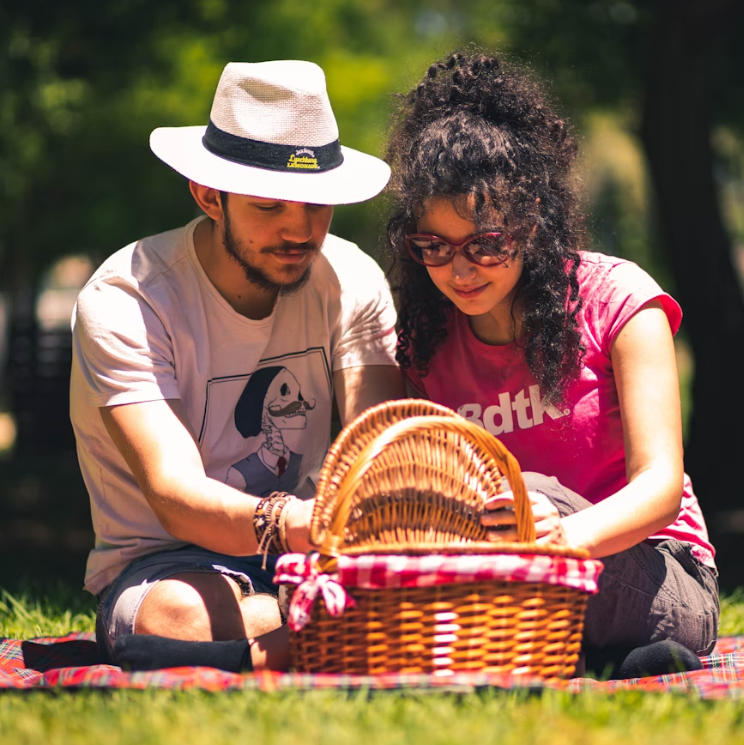
So keep sending those care packages, keep having those virtual picnic dates, keep laughing at the time zone mix-ups. Your cross-cultural love story isn’t just surviving long-distance—it’s thriving because of it.