Cultural Weekend Dating in America: Connect Through Art, History, and Local Flai
Weekend dates don’t have to be just about eating or hiking—America’s rich cultural landscape offers endless opportunities to bond over art, history,…
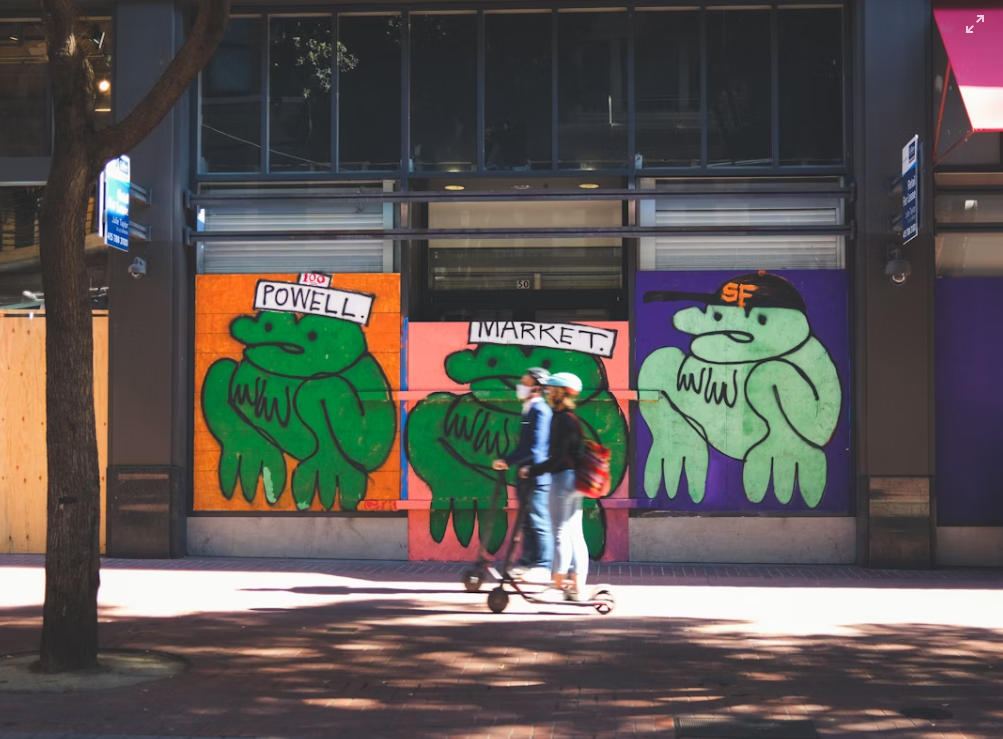
Weekend dates don’t have to be just about eating or hiking—America’s rich cultural landscape offers endless opportunities to bond over art, history, and unique local traditions. A cultural weekend getaway lets you see your date through a new lens: Do they light up at a vintage record store? Get lost in a museum exhibit? Debate the meaning of a street mural? These moments reveal their curiosity, creativity, and values—all while making memories that feel more meaningful than a typical dinner date. Best of all, cultural dates work for every vibe: whether you’re into high-brow art or quirky local festivals, there’s something to spark connection. Here’s how to plan a weekend that blends fun, learning, and genuine connection.
1. Museum & Gallery Hop: Explore Art (Without the Stuffiness)
Museums and galleries aren’t just for “art snobs”—they’re perfect for dates that mix conversation, curiosity, and quiet moments of connection. The key is to pick spots that match your interests (no need to suffer through a modern art exhibit if you both prefer dinosaurs!). Here’s how to make it work:
- Morning: Start with a “light” museum—something interactive or niche. Try a science museum (like New York’s American Museum of Natural History, with its dinosaur exhibits and planetarium shows) or a pop culture museum (Los Angeles’ Grammy Museum, where you can sing along to iconic songs in the recording booth). Skip the crowded main exhibits first—head to the lesser-known galleries for more intimate conversation.
- Afternoon: Grab lunch at the museum’s café (many have great, casual spots) or a nearby bistro. Spend the afternoon hopping to a smaller gallery—look for local art co-ops (like Chicago’s Wicker Park galleries) or street art installations (think Miami’s Wynwood Walls, where colorful murals cover every building). Stop to discuss your favorite pieces: “This mural makes me think of my grandma’s garden—what does it make you feel?”
- Evening: End the day with a “cultural happy hour”—many museums host monthly “after-hours” events with live music, wine tastings, and guided tours. It’s a relaxed way to keep the cultural vibe going without feeling like “school.”
Top museum/gallery spots:
- Washington, D.C.: The Smithsonian museums (all free!)—don’t miss the National Air and Space Museum (for history buffs) or the Hirshhorn Museum (for modern art lovers).
- San Francisco: SFMOMA (San Francisco Museum of Modern Art) has a stunning collection, plus a rooftop garden with city views. Pair it with a walk through the Mission District to see street art.
- Boston: The Museum of Fine Arts (MFA) has something for everyone—from ancient Egyptian artifacts to contemporary photography. Afterward, wander through nearby Beacon Hill for historic charm.
Pro tip: Check if the museum has free admission days (many do on weekends!) or student discounts. Download the museum’s app for self-guided tours—they’ll give you fun facts to spark conversation.
Why it works: Art and history are natural conversation starters. Discussing what you love (or even hate!) about a piece reveals your personality, and sharing quiet moments in a gallery creates a sense of intimacy.
2. Local Festival Fun: Celebrate Community (and Have a Blast)
America’s small towns and big cities alike host endless festivals—from food and music to art and cultural heritage. A festival date is lively, low-pressure, and lets you soak up local flavor while having fun. The trick is to pick a festival that fits your vibe:
- Food & Drink Festivals: Try a craft beer festival (Portland’s Oregon Brewers Festival), a wine tasting festival (Napa Valley’s Harvest Season events), or a chili cook-off (Texas’ Terlingua Chili Cookoff). Sample small bites, play lawn games, and dance to live music—no awkward silences here!
- Cultural Heritage Festivals: Immerse yourselves in a new culture with a Chinese New Year parade (San Francisco’s is iconic), a Cinco de Mayo festival (Los Angeles’ Olvera Street), or an Irish Fair (Milwaukee’s Irish Fest, one of the largest in the country). Try traditional food, watch folk dances, and even join in—learning a new dance together is guaranteed to make you laugh.
- Art & Music Festivals: Opt for a small, local festival (like Asheville’s Fringe Arts Festival) instead of a massive concert. You’ll hear indie bands, see local artists sell their work, and maybe even catch a street performance (think magicians or acrobats).
How to plan it:
- Arrive early to beat the crowds and get a good spot for performances.
- Split a “festival pass” if it includes tastings—you’ll save money and get to try more things.
- Wear comfortable shoes (you’ll be walking a lot!) and bring a reusable water bottle.
Top festival picks:
- New Orleans Jazz & Heritage Festival: Combines jazz music, Creole food, and local crafts—perfect for music lovers.
- Santa Fe Indian Market: The largest Native American art market in the country—great for anyone who loves unique, handcrafted pieces.
- Seattle International Film Festival (SIFF): Catch independent films from around the world, then discuss your favorite over coffee.
Why it works: Festivals are all about joy and shared experience. Laughing at a silly street performance, bonding over a delicious taco, or dancing to a band you both love creates positive memories that link you to each other.
3. Historic Town Exploration: Step Back in Time Together
America is full of towns that feel like they’re frozen in time—with cobblestone streets, 19th-century storefronts, and stories around every corner. Exploring a historic town is like stepping into a movie, and it gives you plenty of opportunities to connect over shared curiosity. Here’s how:
- Morning: Start with a guided walking tour (many historic towns offer free or cheap tours led by local historians). Learn about the town’s past—who lived there, what made it famous, and even its ghost stories (if you’re into that!). Stop to take photos of charming details: a vintage gas station, a hand-painted sign, or a garden filled with old-fashioned flowers.
- Afternoon: Grab lunch at a historic restaurant—look for spots that have been around for 50+ years (like a 1950s diner with a jukebox or a colonial-era tavern). After eating, visit a historic home or landmark—tour a plantation in Charleston, a Victorian mansion in Savannah, or a gold rush-era saloon in Deadwood, South Dakota.
- Evening: If the town has a historic theater, catch a classic movie or a local play. Or spend the evening at a rooftop bar with views of the historic skyline—sipping cocktails while talking about your favorite parts of the day.
Top historic towns:
- Williamsburg, Virginia: A living history museum where actors dress in 18th-century clothing, cook over open fires, and teach visitors about colonial life. It’s interactive and fun for all ages.
- Savannah, Georgia: Known for its well-preserved historic squares, antebellum mansions, and ghost tours. Wander the streets at dusk—when the Spanish moss sways in the breeze, it feels like magic.
- Taos, New Mexico: A mix of Native American, Spanish, and Anglo history—visit the Taos Pueblo (a UNESCO World Heritage Site) and browse galleries filled with Southwest art.
Pro tip: Pick up a “historic town passport” (many towns offer them) and get stamps at each landmark. It adds a fun, game-like element to the day.
Why it works: History gives you a shared “story” to bond over. Learning about the past together creates inside jokes (“Remember when we thought that 18th-century dress looked comfortable?”) and lets you see how your date engages with new information.
4. Craft & Maker Workshops: Get Hands-On (and Creative)
If you both love getting creative, a craft or maker workshop is the perfect cultural date. It’s hands-on, playful, and lets you see each other’s problem-solving skills (and maybe a little messiness!). From pottery to candle-making to woodworking, there’s a workshop for every interest—many towns have small studios that offer 2-hour weekend classes for beginners. Here’s how to plan it:
- Morning: Pick a workshop that’s low-stakes (no need to commit to a 6-week class!). Try pottery painting (you can make mugs or bowls to take home), candle-making (choose scents together), or leather crafting (make keychains or small bags). The instructor will guide you, so you don’t need any experience—just a willingness to have fun.
- Afternoon: After the workshop (and while your creations dry/cure), grab lunch at a nearby café. Bring your unfinished projects—you can laugh at your “masterpieces” and talk about what you’d do differently next time.
- Evening: If your workshop is in a creative district (like Brooklyn’s DUMBO or Portland’s Alberta Arts District), spend the evening browsing boutiques and maker shops. Stop for dessert at a bakery—many creative districts have amazing, local sweet spots.
Top workshop spots:
- Asheville, North Carolina: Known for its craft scene—try a glassblowing workshop at the Asheville Glass Center or a soap-making class at a local studio.
- Portland, Oregon: The Oregon College of Art and Craft offers weekend workshops for beginners, or check out local studios like Craft PDX for DIY projects.
- Austin, Texas: The Contemporary Austin hosts art workshops for adults, from printmaking to collage. Pair it with a walk through the South Congress Avenue arts district.
Pro tip: Don’t worry about making something “perfect”—the goal is to have fun, not create a museum-worthy piece. Take photos of your creations to laugh at later.
Why it works: Crafting together requires teamwork (pass the paint! hold the candle wick!) and lets you see each other’s playful side. Messing up and laughing about it breaks down barriers, and you’ll have a physical memento of the date to take home.
5. Local Market & Artisan Bazaar: Shop Small (and Connect)
Farmers’ markets are great—but for a cultural twist, try a local artisan bazaar or craft market. These markets feature local makers selling handcrafted jewelry, art, home goods, and more—plus, many have live music, food trucks, and even craft demonstrations (like blacksmithing or weaving). It’s a great way to support small businesses while getting to know your date’s tastes. Here’s how to make the most of it:
- Morning: Arrive when the market opens (usually 9 AM) to beat the crowds. Wander slowly—stop to talk to makers about their process (“How did you make this ceramic vase?”). Let your date pick a few stalls to explore first—it shows you value their interests.
- Afternoon: Grab lunch from a food truck (try something local, like a Maine lobster roll or a New Mexico green chile burger). Find a bench to sit and eat—people-watch and talk about the things you loved (or wanted to buy) at the market.
- Evening: If the market has evening hours (many do on Saturdays), stay for live music. Dance a little, grab an ice cream cone, and end the day by picking out a small souvenir—something small, like a handmade postcard or a jar of local honey, to remember the date.
Top artisan markets:
- Pike Place Market, Seattle: More than just fish—this market has hundreds of artisan stalls selling everything from hand-carved wooden bowls to handmade soap. Don’t miss the flower stands for a pop of color.
- Santa Fe Farmers Market: Mixes fresh produce with artisan goods—find Southwest-inspired jewelry, woven blankets, and local pottery.
- Brooklyn Flea, New York: A seasonal market with vintage finds, handmade goods, and amazing food trucks. It’s trendy but welcoming, and there’s always something new to see.
Pro tip: Set a small budget (like $20 each) for souvenirs—it makes browsing more fun without breaking the bank.
Why it works: Markets are low-pressure and lively. Talking to makers gives you easy conversation starters, and seeing what your date is drawn to (vintage jewelry? hand-painted art?) tells you about their personality.
6. Tips for a Perfect Cultural Weekend Date
No matter which cultural activity you choose, these tips will make your weekend a success:
- Pick something you’re both curious about: If you love art but your date hates museums, try a street art tour instead. The goal is to find common ground.
- Don’t overschedule: Leave time to wander—some of the best moments happen when you stumble on a hidden gallery or a street performer.
- Ask questions: “What do you think about this painting?” “Would you ever try making something like this?” Questions keep the conversation flowing and show you’re interested in their thoughts.
- Embrace the awkward: If you’re terrible at pottery or can’t tell a Monet from a Manet, laugh it off. Imperfection makes the date more memorable.
- Follow up: After the weekend, send them a photo of your craft project or a link to the artist you both loved. It shows you were paying attention.
Final Tip: It’s About the Connection, Not the “Culture”
You don’t have to be a history buff or an art expert to have a great cultural date. The point isn’t to impress each other with your knowledge—it’s to share an experience that lets you see each other in a new light. Whether you’re laughing at a bad pottery mug, debating the meaning of a mural, or dancing to a local band at a festival, the cultural part is just the backdrop. What matters is the way you interact, the stories you share, and the memories you make.
So go explore a museum, wander a historic town, or get messy at a craft workshop. You might just learn something new—about art, about history, and about the person you’re with.