Dating as a Semi-Retired Professional in America: Balance Work, Leisure, and Love
For semi-retired professionals in America—those who’ve scaled back work hours, taken on consulting gigs, or launched passion projects after “full” retirement—dating sits…

For semi-retired professionals in America—those who’ve scaled back work hours, taken on consulting gigs, or launched passion projects after “full” retirement—dating sits in a sweet spot. You have more time than you did in your high-pressure career years, but you still value the structure and purpose work brings. Unlike younger professionals rushing to “make it” or retirees with endless free time, you’re navigating a middle ground: wanting to connect deeply with someone, but not wanting dates to feel like another “obligation” or disrupt the calm rhythm you’ve built. These tips are tailored to your unique lifestyle—helping you blend work flexibility, life experience, and romantic connection into dates that feel meaningful, not stressful.
1. Leverage “Flexible Hours” for Midday Dates (No More Rush-Hour Chaos)
One of the biggest perks of semi-retirement is ditching 9-to-5 constraints—and that’s a game-changer for dating. Instead of squeezing dates into post-work evenings or crowded weekends, lean into midday slots that fit your schedule:
- Weekday Brunch (10 AM–12 PM): Skip the weekend brunch crowds and meet at a cozy café or diner on a Tuesday or Wednesday. Opt for spots that cater to mature crowds—think places with comfortable seating, no blaring music, and menus that go beyond “bottomless mimosas” (though a glass of wine is totally fine!). Use the time to chat about life beyond work: “I’ve been volunteering at the local library’s senior reading program—have you ever tried anything like that?”
- Lunch + Museum Visit (12 PM–2 PM): Pair a casual lunch at a bistro near a museum or art gallery with a quick visit to an exhibit. Many cultural institutions have fewer visitors midweek, so you can take your time browsing without crowds. End with a walk around the museum’s garden—low-pressure, yet rich with conversation starters (“That 1950s photography exhibit reminded me of my first job at a newspaper”).
- Afternoon Coffee + Local Errands (2 PM–4 PM): Meet at a coffee shop near a farmers’ market, bookstore, or antique store. Grab a latte, then wander through the market picking up fresh produce (you can even split a jar of honey or a loaf of bread to take home). It’s relaxed, productive (you check “errands” off your list), and lets you see how someone interacts with small-business owners—an easy way to gauge their warmth and curiosity.
Pro tip: Use your work flexibility to your advantage. If you have a 1-hour gap between a virtual consulting call and a project deadline, text your date: “I have a free window this afternoon—want to meet for a quick coffee near your place?” Spontaneity feels fun, not stressful, when you’re not tied to a strict schedule.
Why it works: Midday dates let you avoid the “I’m tired from work” slump that plagues younger professionals. They feel like a pleasant break from your day, not a chore—and the calm, uncrowded vibe makes it easier to connect.
2. Plan “Experience-Based” Dates That Honor Your Life Stories
As a semi-retired professional, you have decades of stories, hobbies, and passions—use them to create dates that feel personal, not generic. Skip the “standard dinner and a movie” and opt for activities that let you share your life experience (and learn about theirs):
- “Memory Lane” Walk: Take your date to a neighborhood that’s meaningful to you—maybe where you lived early in your career, where you raised your kids, or where you first started your business. Point out landmarks and share short stories: “That park is where I used to take my daughter after work—she’d beg me to push her on the swings for ‘just 5 more minutes.’” Ask them to share their own “memory spots” too—you’ll build intimacy through shared history.
- Skill-Sharing Date: Teach each other a hobby you’ve mastered over the years. If you’re a seasoned gardener, invite them over to plant herbs in your backyard (and send them home with a small potted basil plant). If they love cooking, ask them to show you how to make their famous lasagna. Skill-sharing is low-pressure—you’re focused on the task, not “performing” for each other—and it creates a sweet memento of the date.
- Lecture + Dinner: Many colleges, libraries, and community centers host free or low-cost lectures on topics like history, literature, or current events (tailored to mature audiences). Pick a lecture that interests both of you (e.g., “The History of American Jazz” or “Sustainable Gardening for Small Yards”), then grab dinner nearby to discuss what you learned. It’s intellectually stimulating and gives you plenty to talk about beyond “What do you do for work?”
Pro tip: Don’t be afraid to revisit past passions. If you used to play tennis but gave it up for your career, suggest a casual game at a local park: “I haven’t played tennis in 10 years, but I’d love to dust off my racket—want to join? No pressure to be good!” It shows vulnerability and lets you share a new side of yourself.
Why it works: Experience-based dates go beyond small talk. They let you connect over shared values, memories, and interests—things that matter more than surface-level attraction when building a meaningful relationship later in life.
3. Embrace “Low-Key Evening Dates” (No More Late-Night Partying)
Semi-retired professionals often value their sleep and routine—and that’s nothing to apologize for. Skip the late-night bars and clubs and opt for evening dates that wrap up early, but still feel special:
- Sunset Patio Drinks (5 PM–7 PM): Find a restaurant or café with an outdoor patio that faces west. Meet for a glass of wine (or a non-alcoholic spritz) and watch the sunset. Bring a small plate of appetizers (like cheese and crackers) to share. The golden hour light is romantic, and the early end time means you won’t feel tired the next day. End with, “I had such a nice time—want to do this again next week, maybe try that new Italian place with the patio?”
- Weeknight Movie Night (6 PM–8 PM): Choose a movie theater that shows classic films or independent movies (avoid the loud, crowded multiplexes). Catch an early showing, then grab a light dinner at a nearby diner. Classic movies are great conversation starters—you can bond over shared favorites (“I’ve seen Casablanca at least 10 times—there’s something about Bogart’s line ‘Here’s looking at you, kid’ that never gets old”).
- Home-Cooked Dinner (6 PM–8:30 PM): Invite your date over for a simple, home-cooked meal (no need for a fancy 3-course dinner—spaghetti and meatballs or roasted chicken works!). Set the table with a nice tablecloth and candles, but keep the mood relaxed. After dinner, sit on the porch with tea or coffee and chat. Hosting at home feels intimate, and it lets you control the pace of the date.
Pro tip: Be upfront about your bedtime routine. If you usually go to bed at 9 PM, say, “I’m a bit of an early bird these days—would it be okay if we wrap up by 8:30? I’d hate to be tired and not give you my full attention.” Most semi-retired or mature dates will appreciate your honesty.
Why it works: Low-key evening dates honor your routine while still letting you connect. They feel intentional, not rushed—and they show you’re prioritizing comfort and connection over “impressing” someone.
4. Use “Purposeful Social Groups” to Meet Like-Minded People
Dating apps can feel overwhelming for semi-retired professionals—many are designed for younger users, with endless swiping and focus on “instant chemistry.” Instead, lean into social groups that align with your interests and values—places where you’ll meet people who share your lifestyle:
- Professional Alumni Groups: Join the alumni association of your college or former employer. Many host monthly mixers, golf outings, or volunteer events—great for meeting people who understand your career background (and won’t ask “What do you do now?” with a skeptical tone).
- Hobby Clubs: Whether you love gardening, book clubs, bridge, or birdwatching, there are local clubs for nearly every interest. These groups let you meet people in a low-pressure setting—you’re bonding over a shared hobby first, so dating feels like a natural extension, not the “goal.”
- Volunteer Organizations: Give back while meeting people—volunteer at a food bank, animal shelter, or community garden. Many volunteers are semi-retired or mature adults, and working side-by-side on a cause you care about builds genuine connection. Plus, it’s easy to ask someone out afterward: “I’ve really enjoyed working with you—want to grab coffee next week to talk more about the garden’s summer plans?”
Pro tip: Avoid groups that feel “transactional” (like “senior dating clubs”). Focus on groups where you’re there to enjoy the activity first—romance will follow if it’s a fit.
Why it works: Purposeful social groups let you meet people who share your values and lifestyle. You’ll avoid the awkward “Do we have anything in common?” conversations that come with blind dates or apps—and you’ll have fun while you’re at it.
5. Communicate Your “Work-Life Rhythm” (No More Guesswork)
Semi-retirement often means a unique schedule—you might work 3 days a week, have a monthly consulting project, or take weeks off for travel. To avoid misunderstandings, be clear about your rhythm from the start:
- Share Your “Availability Map”: Early on, say something like, “I work from home Mondays and Wednesdays, so I’m free for midday dates those days. Tuesdays and Thursdays I volunteer at the library, but evenings are open. Weekends I like to take day trips or work in the garden—though I’m always up for a brunch or dinner.” It sets clear expectations without oversharing.
- Be Flexible (But Stick to Your Boundaries): If your date suggests a last-minute hike on a day you usually work, it’s okay to say, “I have a consulting call that morning, but I could meet you at 1 PM—would that work?” Or if they want to go to a late concert, say, “I’d love to go, but I know I’ll be tired the next day—what about a matinee instead?” Flexibility shows you care, but boundaries show you respect your own routine.
- Use “Check-Ins” for Travel Plans: If you’re planning a 2-week trip to visit your grandkids, mention it casually: “I’m heading to Florida to see my granddaughter graduate from high school next month—we should definitely grab coffee when I get back.” It keeps the connection alive without pressure.
Pro tip: Avoid phrases like “I’m retired, so I’m free anytime”—it can make you sound like you have no structure (even if you do!). Be specific about your schedule—it shows you have purpose and clarity.
Why it works: Clear communication eliminates the “Will they be free?” guesswork that can derail early dating. It lets your date see that you have a full, fulfilling life—and that they’re being invited into it, not filling a “void.”
6. Plan “Intergenerational” Dates (Connect Through Shared Joy)
As a semi-retired professional, you might have grandkids, or just enjoy being around younger people—and incorporating intergenerational moments into dates can be surprisingly meaningful. Try these:
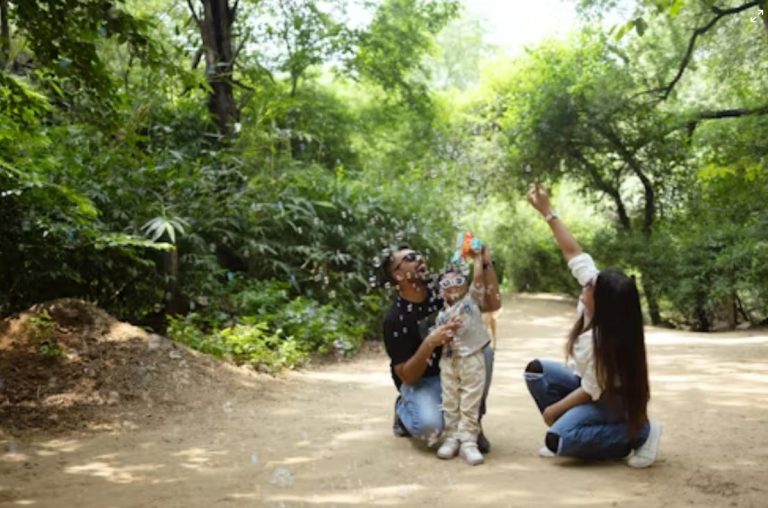
- Park Playdate (With Grandkids): If you have grandkids, invite your date to join you for a trip to the park or a ice cream shop. Keep it casual—let the kids lead the fun (playing on the swings, feeding ducks). It shows your nurturing side, and it’s easy to chat between chasing the kids: “My grandson is obsessed with dinosaurs—does your family have any little ones?”
- Mentorship Event: Many high schools and colleges host “career mentorship” nights where professionals share advice with students. Invite your date to join you—you’ll both get to give back, and you’ll see how they interact with young people (a great way to gauge their patience and kindness). Afterward, grab dinner and discuss your favorite moments: “That student who wants to be a journalist reminded me of myself at that age—did any of the conversations stand out to you?”
- Local School Event: Attend a high school play, concert, or sports game (support a neighbor’s kid, or just pick an event that sounds fun). It’s low-cost, and it lets you relive a little nostalgia: “I used to play basketball in high school—look at that kid’s jump shot!”
Pro tip: Only do intergenerational dates if you’re comfortable—and if your date seems open to it. Don’t spring it on them last minute (“Surprise! My grandkids are joining us!”)—ask first: “I’m taking my granddaughter to the zoo this weekend—would you like to come? She’d love the company, and I’d love to introduce you.”
Why it works: Intergenerational dates are heartwarming and low-pressure. They let you see a different side of your date (how they interact with kids, how they talk about their own family) and create shared memories that feel more meaningful than a typical dinner.
7. Embrace “Slow Dating” (No Rush, No Pressure)
Semi-retired professionals often have the luxury of time—and that means you can skip the “hurry up and find someone” mindset that plagues younger daters. Embrace “slow dating”: taking the time to get to know someone gradually, without rushing into labels or commitments. Here’s how:
- Space Out Dates: There’s no need to see each other every week—space dates out to every 10 days or 2 weeks. It gives you time to reflect on the last date (“Did I enjoy their company?” “Do we have shared values?”) and look forward to the next one.
- Focus on “Getting to Know” Over “Settling Down”: Ask questions that go beyond surface level, but avoid pressure-filled topics like “Do you want a relationship?” Instead, ask: “What’s the most fulfilling thing you’ve done since scaling back work?” or “What’s on your bucket list for the next few years?”
- Enjoy the “In-Between”: Send a casual text between dates—share an article you think they’d like (“Saw this piece about vintage gardening tools and thought of you”), or a photo from your day (“My tomatoes are finally ripening—thought you’d want to see!”). It keeps the connection alive without feeling like a “chore.”
Pro tip: If you’re not sure if you want to see someone again, give it 2-3 dates. Chemistry can take time to build, especially when you’re not caught up in the “excitement” of new love. Slow dating lets you make decisions based on compatibility, not impulse.
Why it works: Slow dating honors your life experience. You know what you want (and don’t want), and you don’t need to rush to find it. It lets you build a connection that’s based on mutual respect and shared values—things that last.
Final Tip: Your Life Experience Is Your Greatest Dating Asset
As a semi-retired professional, you have something younger daters don’t: clarity. You know who you are, what you value, and what you want out of a relationship. Don’t downplay that—embrace it. Whether you’re sharing stories from your career, teaching someone a hobby, or just enjoying a quiet brunch, your life experience makes you interesting, authentic, and desirable.
Dating later in life (with the flexibility of semi-retirement) is a gift. You don’t have to “prove” anything to anyone—you just get to be yourself, and find someone who loves you for it. So take your time, enjoy the process, and remember: the best relationships aren’t about filling a gap—they’re about adding joy to the full, wonderful life you’ve already built.